The Tonlé Sap is Southeast Asia's largest lake and one of the strangest bodies of water on earth: every wet season the Mekong forces its tributary to reverse direction, and the lake swells to several times its dry-season size. The villages built on it — on stilts up to ten meters tall, or floating outright — rise and fall with it. Done right, a half-day here is one of the best non-temple experiences near Siem Reap. Done wrong, it is a tout-ridden boat ride you will regret. The difference is almost entirely which village you choose.
Kampong Phluk: the right choice for most travelers
Kampong Phluk is the closest of the good options — roughly an hour from town — and the most photogenic. Towering stilted houses line a single main channel, there is a flooded mangrove forest you can tour by paddle boat in high water, and the village still functions as a real fishing community rather than a stage set. It gets tour traffic, but it absorbs it. If you have one afternoon, come here.
Kampong Khleang: bigger, farther, fewer tourists
Kampong Khleang is the largest settlement on the lake and nearly twice the drive, which is exactly why it stays quieter. The stilt architecture is even more dramatic, the economy is visibly about fish rather than visitors, and you will often be the only boat of foreigners on your stretch of water. Pick it if you have already seen Kampong Phluk, or if avoiding crowds matters more to you than travel time.
Chong Kneas: skip it
We will be blunt. Chong Kneas is the closest village to town, which is why hotels and drivers keep funneling people there — and it has curdled into the lake's tourist trap. The established patterns: inflated boat fees that change after departure, pressured stops at floating shops where you are guilted into buying overpriced rice or noodles "for the school," and detours to a crocodile farm with an admission fee nobody mentioned. The proximity is not worth it. Spend the extra 30 minutes on the road and go to Kampong Phluk instead.
The seasonality question nobody answers
The lake's water level changes everything about this trip:
- Green season (Jun–Oct): the lake is full, boats float right through the village, the mangroves are navigable, and everything looks the way it does in photos. This is the best time to go — one of several reasons we defend the rainy months in our rainy season guide.
- Nov–Feb: still good. Water is dropping but boats run normally and the weather is the year's most pleasant.
- Mar–May: honest answer — marginal. The lake retreats kilometers from the villages, channels shrink to muddy creeks, and the stilted houses tower over dry ground. Architecturally interesting, but if you are visiting in late dry season, weigh whether the trip is worth it at all.
Ethics: how to visit without making things worse
Two firm rules. First, skip any tour with an orphanage stop, full stop. Orphanage tourism creates demand for institutions that separate children from living families; no reputable operator includes it anymore, and its presence on an itinerary tells you everything about the operator. Second, do not hand out candy or money to children who paddle up to boats — it pulls kids out of school and into begging. If you want your visit to do good, buy lunch at a village restaurant, pay your boat crew fairly, and put your social-impact dollars into the town's genuinely legit options like Phare and the training restaurants, which we cover in our Siem Reap food guide.
What a good tour looks like
A worthwhile floating-village tour names the village up front (Kampong Phluk or Kampong Khleang — if the listing is vague, assume Chong Kneas), includes the boat fee in the price so there is no renegotiation on the water, times the visit for late afternoon light, and uses a guide who actually comes from the lake communities. Sunset over the open water on the return leg is the quiet highlight most people do not see coming.
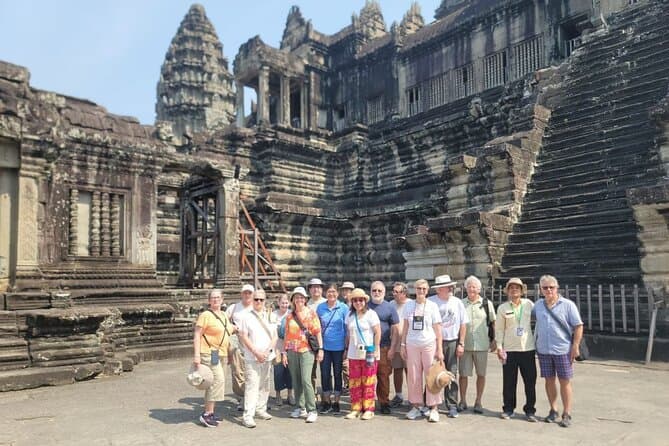
This multi-day option pairs the floating village with the Angkor highlights, which is the most efficient way to fold the lake into a short trip:
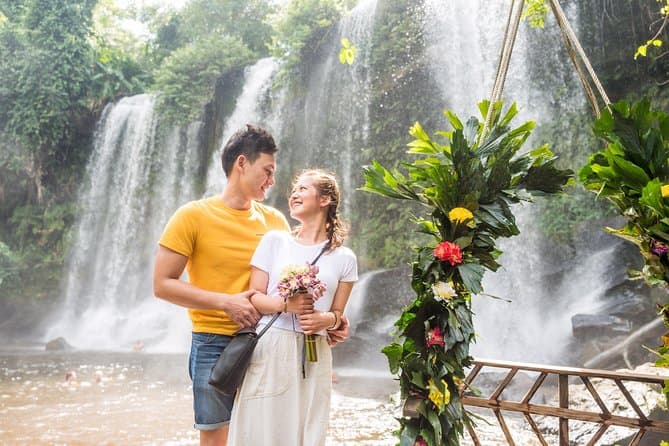
And if you want the lake woven into a wider three-day loop — waterfalls, Banteay Srei, and the village — this discovery itinerary is the better fit. It pairs naturally with our Banteay Srei day trip guide.
For more on the lake villages and everything else beyond the temples, browse our floating villages section and the full attractions directory.
Tours That Include the Floating Villages
Multi-day itineraries that fold the Tonlé Sap into your Angkor plans.