Khmer food is the most underrated cuisine in Southeast Asia, and Siem Reap — flush with tourists, training kitchens, and ambitious chefs — is the best place in the country to eat it. This guide does two things: defines the short canon of dishes you must try, then tells you where to eat at every budget, from a plastic stool to a tasting menu.
The canon: five things to order before you leave
- Fish amok. The national dish: freshwater fish steamed in a coconut-and-kroeung curry custard, traditionally served in a banana leaf. The texture should be a set mousse, not a soup — that is how you separate real amok from the tourist shortcut.
- Beef lok lak. Wok-seared beef over tomatoes and raw onion with a lime-pepper dipping sauce, usually crowned with a fried egg. Kampot pepper in the sauce is the tell of a kitchen that cares.
- Khmer curry. Gentler and more aromatic than its Thai cousins — coconut milk, lemongrass-heavy kroeung, sweet potato, often chicken. The comfort-food entry point.
- Num banh chok. "Khmer noodles": fresh rice noodles under a green fish gravy with a pile of raw herbs and banana blossom. A breakfast dish — find it in the morning markets, not on dinner menus.
- Sombai. Not a dish but the local infused rice wine, steeped with everything from ginger and red chili to banana and cinnamon, in hand-painted bottles. The correct souvenir and the correct nightcap.
Tier one: street food and markets
The cheapest and arguably most memorable eating in town happens at market stalls and night-market grills: noodle soups at dawn around Psar Chas (the Old Market), num banh chok ladled from baskets, grilled skewers and fresh sugarcane juice after dark. Bring small US bills and expect change in riel. Basic rules keep you safe — busy stalls with turnover, food cooked hot in front of you, peeled fruit over pre-cut.
If you want the confidence to eat at street level without guesswork — knowing which cart, which dish, which sauce — a guided food crawl by tuk-tuk is the single best first-night investment in Siem Reap. You will spend the rest of the trip ordering like you live here.
Tier two: Khmer kitchens
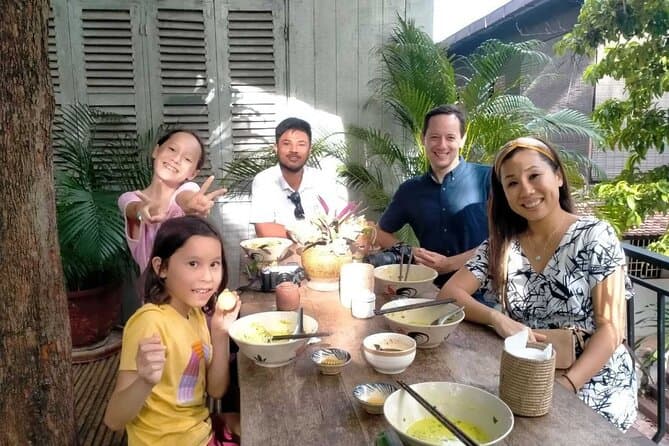
The everyday heroes: family-run restaurants serving the canon at honest prices. Khmer Kitchen has been the reliable Old Market-area standby for decades — order the amok and a pumpkin curry. Pou Restaurant takes the same repertoire and sharpens it, with a kitchen that treats lok lak as a point of pride rather than a tourist obligation. This tier is where you should eat most of your meals; browse more in our Khmer restaurants section.
Tier three: training restaurants
Siem Reap's training restaurants take young Cambodians from difficult backgrounds and turn them into cooks and servers — and the food competes on merit, not charity. Marum is the flagship: inventive Khmer small plates (the red tree-ant beef is the famous one) in a garden villa, with profits funding the program. Along with Phare, these are the town's legitimately good-conscience picks — the polar opposite of the orphanage-tour economy we warn about in our floating villages guide. For brunch with the same ethos, Sister Srey Cafe by the river backs Khmer students and pulls the best espresso shots in the center, with The Hive as the laptop-friendly alternative.
Tier four: fine dining
Two kitchens justify a splurge. Cuisine Wat Damnak builds tasting menus from hyper-seasonal Cambodian ingredients — lake fish, foraged herbs, palm sugar — and remains the most serious restaurant in the province. Malis brings the polished Phnom Penh standard-bearer of "living Cambodian cuisine" to Siem Reap, and its refined takes on the canon make a perfect last-night dinner: end where the amok is best. See the full shortlist in our fine dining section.
How to structure your eating days
- Breakfast: num banh chok at the market, or post-sunrise eggs at Sister Srey — timed right, breakfast after sunrise beats the 7:30 temple crowds, as our Angkor Wat sunrise guide explains.
- Lunch: light and air-conditioned in hot season; this is the slot for cafes and Khmer kitchens.
- Dinner: rotate the tiers — street crawl night one, training restaurant before Phare, fine dining to finish.
Eat widely, tip your cooking-class teacher, and carry small bills. The full directory of where we actually eat is in our restaurants section.
Eat Like a Local on Night One
A guided street-food crawl by tuk-tuk that teaches you the canon firsthand.