Shopping in Siem Reap is easiest when you stop treating every stall as the same thing. There are three different worlds here: working local markets, tourist night markets, and proper craft workshops. Each is worth visiting for a different reason, and each has a different price logic. Get that right and you come home with gifts that feel like Cambodia, not airport filler.
The quick answer: where to shop first
If you only have one afternoon, start at Artisans Angkor, walk or tuk-tuk back toward Psar Chas before dinner, then cross the river to Made in Cambodia Market in the evening. That route gives you the full range: trained craftspeople, the old central market, and a curated market where the vendors are usually the makers or the small brands behind the goods.
Leave Angkor Night Market for a late wander after dinner or after Phare. It is fun, bright, and convenient, but it is not where we would buy the one thing we care about most.
Psar Chas: go early, buy selectively
Psar Chas, the Old Market, is not just a souvenir stop. The best part is the working core in the morning: fish from the Tonle Sap, piles of herbs, curry pastes, lotus stems, breakfast noodles, and shopkeepers doing the real daily business of Siem Reap. Go around 7am if you want atmosphere. Go later if you only want scarves, T-shirts, carvings, and baskets around the outer aisles.
This is the place to buy inexpensive textiles, simple bags, spices, and small gifts you do not need to overthink. It is also the place to practice polite haggling. Smile, ask the price, counter once, and be ready to walk away without making it a performance. If the difference is a dollar, remember where you are and close the deal kindly.
Angkor Night Market: good for wandering, not heirlooms
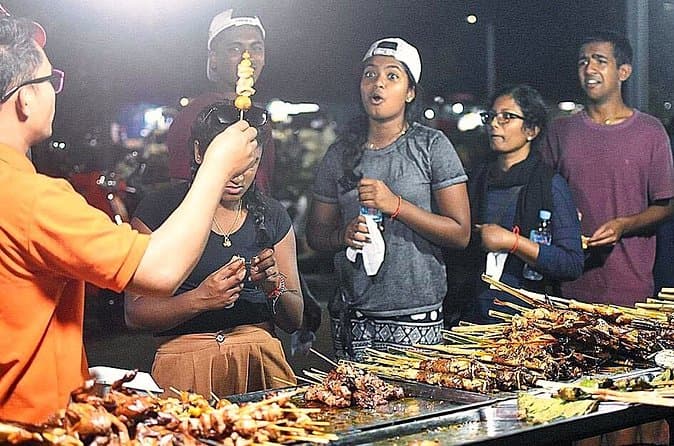
Angkor Night Market is the classic Siem Reap evening market: lanterns, fruit shakes, cotton pants, silver-colored jewelry, carved elephants, magnets, and the soft hum of Pub Street nearby. It is best treated as entertainment with shopping attached. Buy the things that make sense at night-market prices: light clothes for the heat, low-stakes gifts, phone-tripod emergencies, and snacks.
The rule here is simple: if a vendor is selling the same item you have seen at ten other stalls, bargain. If the object looks handmade, ask who made it and where. The answer will tell you whether you are buying a local craft or a generic souvenir with a Cambodia story taped to it.
Made in Cambodia Market: the better gift stop
Made in Cambodia Market is the antidote to stall repetition. It is smaller, cleaner, and more selective, with Cambodian designers, social enterprises, food products, jewelry, art, and home goods that feel connected to the place. Prices are usually less flexible than the big night markets, and that is part of the point: you are paying for origin, better materials, and a seller who can explain the work.
Use it for gifts you would actually give: linen pieces, ceramics, prints, pepper, soaps, candles, and small accessories that pack flat. It pairs naturally with a Wat Bo dinner or a quiet riverside walk; for where to base yourself nearby, see our neighborhood guide.
Artisans Angkor: the craft stop that is also an attraction
Artisans Angkor is where shopping becomes part of the itinerary. The central workshop near the Old Market lets you see stone carving, wood carving, lacquerwork, silverwork, and silk processes up close, then buy from the source. It is fixed-price, polished, and more expensive than the market rows, but the quality difference is obvious when you put the pieces side by side.
This is the right place for one serious souvenir: a silk scarf, a lacquer box, a stone or wood carving, or a contemporary piece that still uses Khmer craft language. If you are planning a slower day after the temples, pair it with the Angkor National Museum or a long lunch from our food guide.
Senteurs d'Angkor: the easy packing win
Senteurs d'Angkor solves the most common souvenir problem: everything beautiful is heavy, breakable, or awkward to fly home. Their soaps, balms, candles, Kampot pepper, teas, and spice blends are small, useful, and easy to divide among people. It is also the rare shop where buying ten small things feels smarter than buying one big one.
Go here late in the trip, once you know how much luggage space is left. Lemongrass soap, pepper, palm-sugar sweets, and Khmer spice mixes are safer bets than fragile carvings if you are traveling onward through Southeast Asia.
What to buy in Siem Reap
- Silk and cotton textiles: scarves, cushion covers, and lightweight clothing are the easiest gifts to pack. Check edges, stitching, and feel before paying.
- Kampot pepper and spices: small, practical, and recognizably Cambodian. Buy sealed packs if you are flying.
- Lacquerware: better from a workshop than a generic stall. Look for clean finish, even color, and weight that feels solid.
- Stone and wood carving: buy new work from reputable shops. Avoid anything described as old, ancient, temple, or antique.
- Soaps, balms, candles, and tea: ideal last-day gifts, especially from shops that can explain where products are made.
- Local art and prints: strongest at curated markets and small galleries, not the copy-painting rows.
For the shop-by-shop version — which stop is right for silk, which one for pepper, and what to leave on the stall — read where to buy authentic Cambodian souvenirs.
What to skip
Skip anything sold as an antique. Cambodia's real antiquities belong in Cambodia, and the trade in looted cultural objects has done lasting damage across the region. If a seller hints that an object is from a temple, walk away. New carvings are better, cleaner, and legal to love.
Also skip wildlife products, fake luxury goods, and very cheap silver if you care what it is made from. The better question in Siem Reap is not "Can I get this cheaper?" but "Do I know who benefits from this purchase?" When the answer is yes, spending a little more usually feels better after you get home.
Haggling without being awful
Haggling is normal at Psar Chas and the night markets; it is not normal at fixed-price boutiques or social enterprises. At market stalls, start lower than the first price, keep your tone light, and buy multiple items from one vendor if you want a better total. Do not bargain hard over tiny differences, and do not agree to a price unless you are ready to pay it.
Carry small US bills. Many vendors struggle to break large notes, and change often comes back in riel. Inspect US dollars you receive as change; torn or heavily marked bills can be refused elsewhere.
The best shopping routes
- First evening: Made in Cambodia Market before dinner, then Angkor Night Market for the neon version of town.
- Rainy afternoon: Artisans Angkor, Senteurs d'Angkor, then a cafe in Kandal Village or Wat Bo.
- Last morning: Psar Chas for quick gifts and market photos before checkout.
- Ethical-shopping day: Artisans Angkor, Made in Cambodia Market, then dinner at a training restaurant like Marum.
Shopping is best as a rhythm between temple days, not a final-hour scramble. Build it into our 3-day Siem Reap itinerary, keep small bills in your pocket, and leave room in your bag for the one piece you did not plan to buy.