If you are searching for where to buy authentic Cambodian souvenirs in Siem Reap, the answer is not one market. It depends on what you mean by authentic. For museum-quality craft, start at Artisans Angkor. For local designers and small Cambodian brands, go to Made in Cambodia Market. For packable gifts like pepper, soap, tea, and balms, use Senteurs d'Angkor. For cheap, fun, last-minute souvenirs, browse Psar Chas and Angkor Night Market, but buy selectively.
The mistake is trying to solve every souvenir need in the same place. Siem Reap has real craftspeople, real local food products, and real social-enterprise shops, but it also has rows of imported copy goods. This guide separates the two so your money lands closer to the people making the work.
Best overall: Artisans Angkor
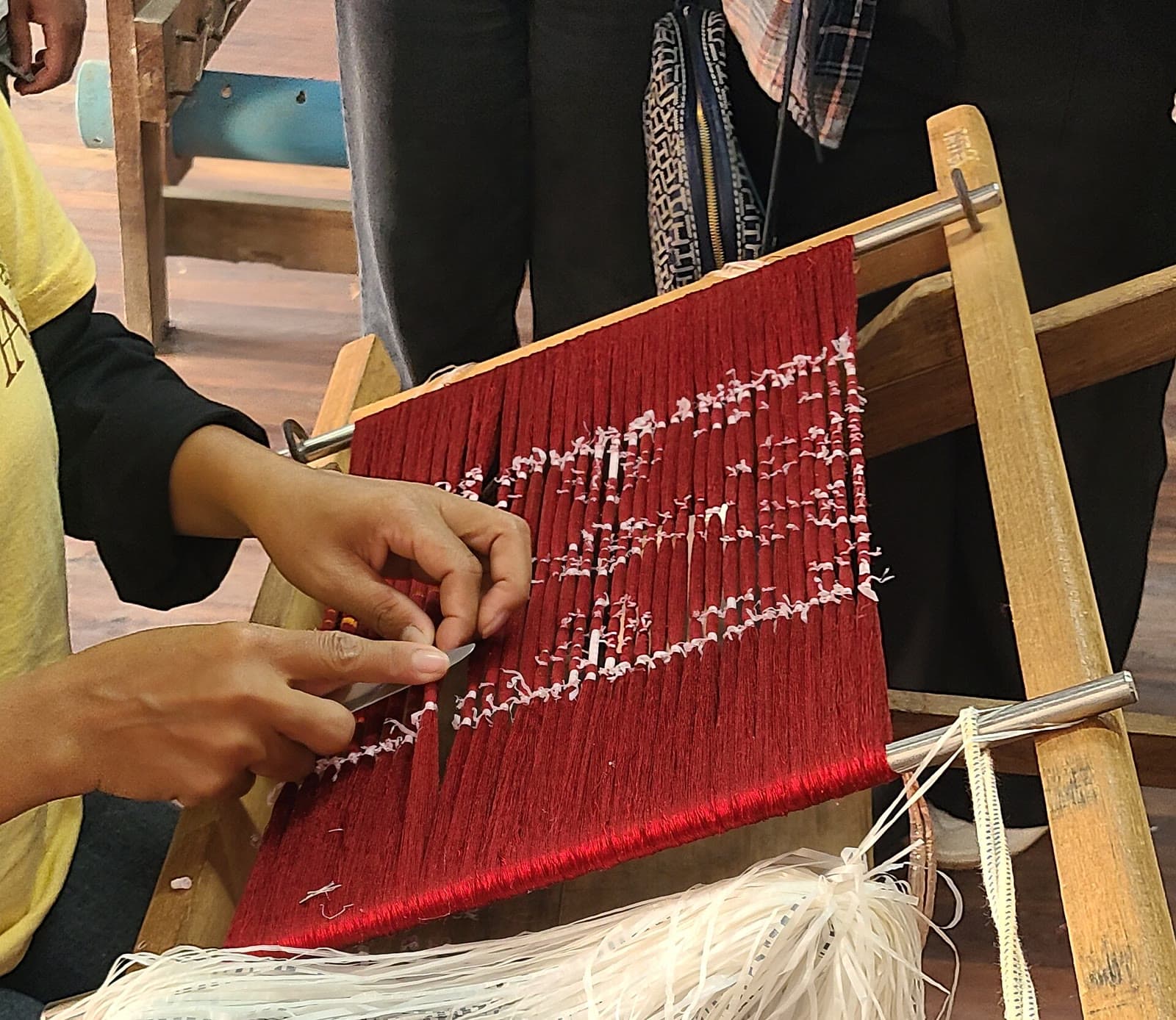
Artisans Angkor is the easiest answer when someone asks for authentic Cambodian craft in Siem Reap. The central workshop near the Old Market shows stone carving, wood carving, lacquerwork, silk painting, silverwork, and other Khmer craft processes before you enter the shop. That matters because you can see the difference between handmade work and the souvenir copies sold around town.
Buy here if you want one piece that anchors the trip: a silk scarf, lacquer box, carved apsara, wooden bowl, silver ornament, or a small stone piece inspired by Angkor motifs. Prices are fixed and higher than market stalls, but the quality control is stronger and the purchase supports a training model rather than a random supply chain.
Best for local makers: Made in Cambodia Market
Made in Cambodia Market is where to go when you want souvenirs that feel current, not museum-replica. Expect Cambodian-made jewelry, ceramics, linen goods, art prints, natural products, pepper, bags, and homewares. It is smaller and calmer than the night markets, which is exactly why it works: sellers can usually tell you who made the item, where it was made, and what materials went into it.
This is the best stop for gifts you can give without explaining them for five minutes. Look for simple ceramics, modern prints, textiles, small accessories, and food products with proper packaging. Prices are not night-market cheap, but the value is better if you care about origin.
Best packable gifts: Senteurs d'Angkor
Senteurs d'Angkor is the practical winner for travelers with full bags. Their soaps, balms, candles, teas, spices, palm-sugar sweets, and Kampot pepper are compact, useful, and easy to split across several people. This is the shop for last-day shopping after you have already bought the one beautiful thing.
The best buys are lemongrass soap, Kampot pepper, Khmer spice blends, massage balms, and small tea packs. They travel better than carvings, cost less than silk, and still feel tied to Cambodia rather than generic Southeast Asia.
Best for atmosphere: Psar Chas
Psar Chas, the Old Market, is most authentic in the morning before it is a souvenir stop. The central aisles are a working market with fish, fruit, herbs, curry paste, rice noodles, flowers, and everyday household goods. Go around 7am if you want the real market. Go later if you want scarves, cotton pants, baskets, spices, and small gifts around the outer rows.
Buy low-stakes items here: simple textiles, woven bags, spice packs, fridge magnets, market baskets, and small things for people who mainly want proof you remembered them. Haggle gently. If you want a better price, buy more than one item from the same seller instead of grinding someone down over fifty cents.
Best for a late-night browse: Angkor Night Market
Angkor Night Market is not the best place for serious craft, but it is useful. It opens when your sightseeing day is over, it is close to Pub Street, and it has the biggest concentration of easy souvenirs. Think elephant pants, light shirts, cheap jewelry, carved trinkets, fruit shakes, and the gifts you buy because your flight is tomorrow.
The buying rule is simple: if you see the same object at ten stalls, it is probably not a unique local piece. That does not make it bad; it just means you should pay market prices and save your serious souvenir money for a workshop or maker market.
The most authentic Cambodian souvenirs to buy
- Khmer silk: scarves and small textiles are the classic buy. Choose clean stitching, strong color, and a shop that can explain the weave or source.
- Lacquerware: boxes, bowls, trays, and decorative pieces are strongest from workshops, not generic stalls.
- Stone or wood carving: buy new pieces inspired by Angkor, never anything presented as old or removed from a temple.
- Kampot pepper: one of Cambodia's best food souvenirs, easy to pack and actually useful at home.
- Palm sugar and spice blends: good for cooks, but buy sealed packaging if you are flying onward.
- Natural soaps and balms: lightweight gifts that work for almost everyone.
- Local prints and small art: easier to pack than paintings and often more personal than a mass-produced object.
What not to buy
Do not buy anything described as antique, ancient, temple, pre-Angkor, or original. Real Cambodian antiquities should not be leaving Cambodia, and the trade in looted objects has harmed the country for decades. A newly made carving from a reputable workshop is the better souvenir in every way.
Skip wildlife products, fake luxury goods, and bargain silver if the seller cannot clearly explain what it is made from. Also be careful with Buddha heads and religious imagery used as decoration. If you buy a religious object, treat it respectfully and avoid anything that feels like a temple fragment.
How to tell if a souvenir is actually local
- Ask who made it. A real maker or serious shop can answer without a vague story.
- Ask where it was made. Siem Reap, Phnom Penh, Battambang, Kampot, and Takeo are real answers; "Cambodia style" is not.
- Look for repetition. If every stall has the same piece, it is probably wholesale stock.
- Check the finish. Better craft has cleaner edges, smoother joins, heavier materials, and fewer glue marks.
- Respect fixed prices. Social enterprises and craft shops often price fairly from the start.
A simple souvenir route
For the best mix, do this in one half-day: visit Artisans Angkor after lunch, walk through Psar Chas for market atmosphere, then cross to Made in Cambodia Market before dinner in Wat Bo. If you still need small gifts, stop at Senteurs d'Angkor on your last day. That route gives you craft, market energy, maker goods, and packable gifts without wasting a whole day shopping.
For a broader breakdown of the city's shopping areas, read our Siem Reap shopping guide. If you are building this into a full trip, slot the route into our 3-day itinerary after a temple morning, when an air-conditioned shop and a slow market wander feel exactly right.